
How to Create a Low-Maintenance Rock Garden in Western North Carolina
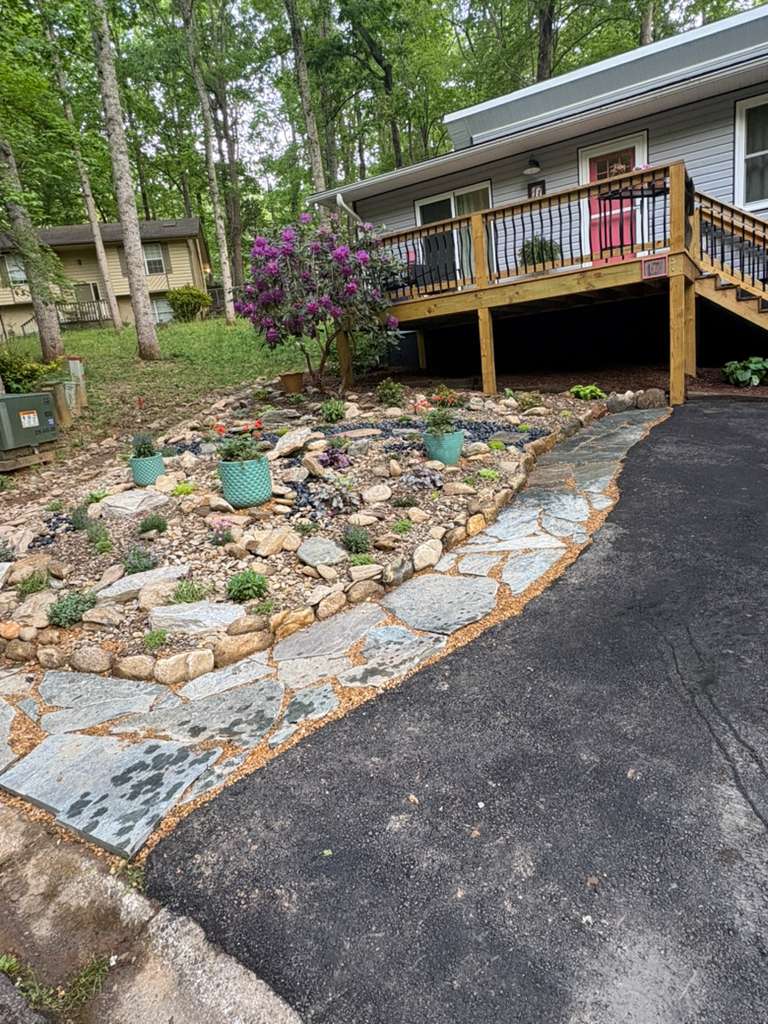
If you’re looking for a way to add character and beauty to your Asheville property without adding hours of weekly upkeep, a rock garden might be exactly what your landscape needs. Rock gardens combine natural stone, gravel, and low-maintenance plantings to create a visually striking outdoor feature that works with Western NC’s terrain rather than against it. They’re particularly well-suited to sloped areas, shaded spots, and spaces where traditional lawn or garden beds are difficult to establish and maintain. At Bernardo’s Landscaping LLC, we’ve designed and installed rock gardens across Asheville, NC and the surrounding 30-mile area for over 16 years, and we know how to build them to look great and stay manageable year after year. Here’s what goes into creating one that truly delivers.
Why Rock Gardens Work So Well in Western NC
Western North Carolina’s landscape naturally lends itself to rock garden design — and the region’s climate and terrain make them a practical choice for homeowners looking to reduce maintenance without sacrificing curb appeal.
- Rocky terrain is already part of the local landscape. Asheville’s mountain setting means natural stone is abundant and visually at home in residential gardens, making rock features feel organic rather than out of place.
- Sloped and uneven yards are ideal candidates. Areas that are difficult to mow, prone to erosion, or challenging to plant with traditional lawn are perfectly suited to rock garden installation, which stabilizes the ground and eliminates the maintenance challenges those spaces create.
- Western NC’s rainfall benefits rock garden plantings. Many of the plants that thrive in rock gardens — including native groundcovers, sedums, and ornamental grasses — are well-adapted to the region’s wet winters and warm, humid summers.
- Less maintenance than traditional lawn or garden beds. Once established, a well-built rock garden requires far less watering, weeding, mowing, and seasonal replanting than comparable lawn or flower bed areas.
Planning Your Rock Garden: Key Considerations Before You Start
A rock garden that looks natural and stays low-maintenance doesn’t happen by accident — it starts with thoughtful planning before a single stone is placed.
- Choose the right location. Rock gardens work best in areas with good drainage and at least partial sun exposure. Spots that collect standing water or stay deeply shaded for most of the day are not ideal candidates without significant site modification.
- Assess the slope and soil. Gently to moderately sloped areas are ideal — steep slopes may require additional stabilization measures before a rock garden can be installed effectively and safely.
- Decide on the style. Rock gardens range from naturalistic arrangements that mimic a mountain hillside to more structured designs with defined borders, pathways, and planting pockets. Knowing which direction you want to go before installation begins keeps the project focused and cohesive.
- Plan for drainage. Even in well-drained locations, incorporating a gravel base layer beneath the garden ensures that water moves through efficiently and doesn’t pool around plant root zones or the base of larger stones.
Choosing the Right Stones for a Western NC Rock Garden
The stones you choose set the tone for the entire garden — and in Western NC, there are excellent local options that look natural and perform well outdoors.
- Use locally sourced stone when possible. Stones native to the Western NC region — fieldstone, river rock, and mountain granite — integrate naturally into the landscape and tend to weather beautifully over time.
- Vary stone sizes for a natural appearance. A mix of large anchor stones, medium filler stones, and small gravel or pebble accents creates the layered, organic look of a natural rock formation rather than a staged arrangement.
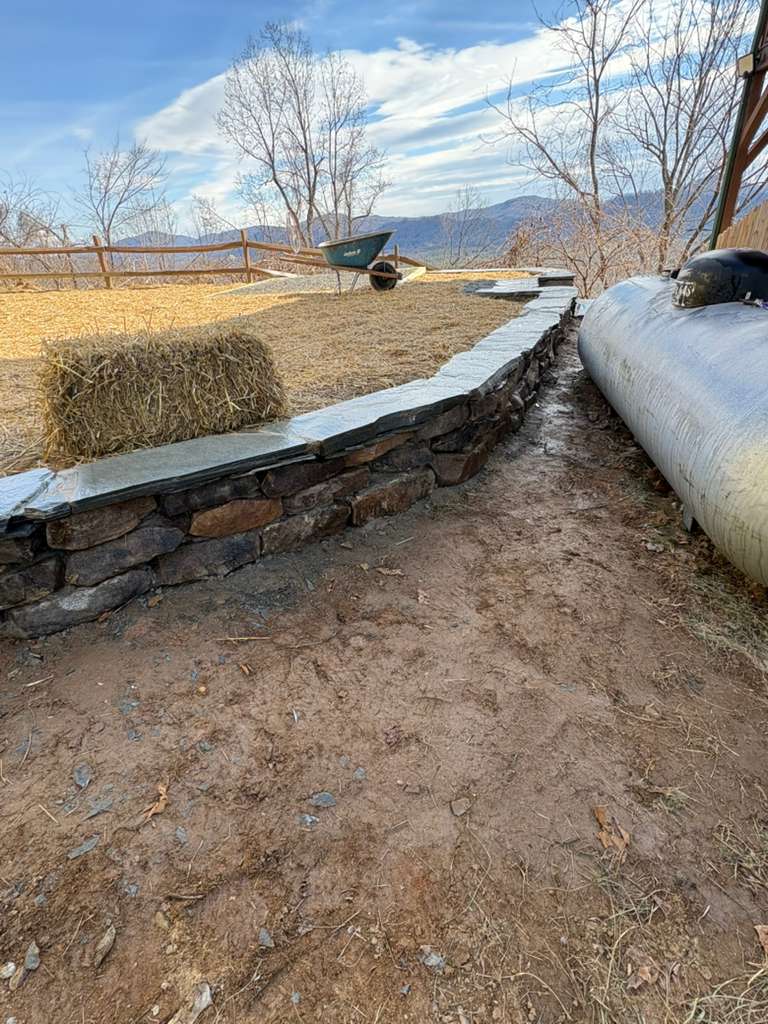
- Flat flagstone works well for pathways and borders. Incorporating flagstone elements into and around your rock garden — as a walkway edge, stepping path, or garden border — ties the feature into the surrounding landscape and adds function alongside beauty.
- Avoid perfectly uniform or overly polished stones. Machine-cut or highly polished decorative stones can look out of place in a naturalistic rock garden setting. Rough, irregular shapes blend more convincingly into the landscape.
Selecting Low-Maintenance Plants for Western NC Rock Gardens
The right plant selection is what transforms a rock arrangement into a living, thriving rock garden — and in Western NC, there are plenty of options that thrive with minimal attention once established.
- Sedums and succulents. These drought-tolerant groundcovers establish quickly between rocks, spread to fill gaps naturally, and require almost no watering or fertilizing once rooted. They also offer seasonal color changes that keep the garden visually interesting year-round.
- Ornamental grasses. Low-growing ornamental grasses add movement and texture to rock garden designs, handle Western NC’s humidity well, and require only occasional trimming rather than regular mowing or deadheading.
- Creeping thyme and other groundcovers. Low, spreading groundcovers fill gaps between stones, suppress weed growth, and soften the overall appearance of the garden — all while requiring minimal care beyond initial establishment.
- Native perennials. Plants native to the Western NC region are naturally adapted to the local climate, soil, and rainfall patterns, making them the most resilient and lowest-maintenance planting choice for any rock garden in this area.
- Small flowering shrubs and trees. A single ornamental shrub or small flowering tree — like the purple-blooming redbud or native azalea — can serve as a focal point that anchors the entire garden design and adds vertical interest above the stone layer.
Installation: How a Professional Rock Garden Is Built
The difference between a rock garden that looks natural and stays in place versus one that shifts, erodes, or becomes overgrown often comes down to how well it was installed from the ground up.
- Site clearing and grading. The area is cleared of existing grass, weeds, and debris, and the ground is graded to establish proper drainage flow before any stone or material is placed.
- Weed barrier installation. A professional-grade landscape fabric is laid over the prepared ground to suppress weed growth beneath the stone and gravel layers without blocking water drainage.
- Gravel base layer. A layer of crushed gravel is spread and compacted over the fabric, providing a stable, well-drained foundation that keeps stones level and prevents settling over time.
- Stone placement. Larger anchor stones are positioned first, partially buried to look natural and stay stable. Medium and smaller stones are arranged around them, with planting pockets created intentionally as the layout develops.
- Soil and planting. Planting pockets between stones are filled with appropriate soil, and selected plants are installed at the correct depth and spacing. Mulch or gravel is applied around plants to retain moisture and suppress any weed growth between stone gaps.
Maintaining Your Rock Garden Through the Seasons
One of the biggest advantages of a rock garden is how little it asks of you after installation — but a small amount of seasonal attention keeps it looking its best year after year.
- Spring: Remove any debris or dead plant material that accumulated over winter. Check stone placement for any shifting caused by freeze-thaw cycles and reset any stones that have moved.
- Summer: Water newly installed plants during dry spells in their first season. Once established, most rock garden plants in Western NC require little to no supplemental irrigation.
- Fall: Cut back any ornamental grasses or perennials as needed. Clear fallen leaves from the rock surface — wet leaves left sitting on stone promote mildew and can smother low-growing groundcovers.
- Winter: Rock gardens require virtually no winter maintenance. The stone mass actually helps insulate plant root zones from freeze-thaw temperature swings, giving your plantings an added layer of protection through the cold months.
Final Thoughts
A well-designed rock garden is one of the most rewarding landscaping investments an Asheville homeowner can make — delivering year-round visual interest, solving problem areas on sloped or difficult terrain, and dramatically reducing the time and effort required to maintain a beautiful outdoor space. When built with the right materials, thoughtful plant selection, and professional installation techniques, a rock garden only improves with age as plants fill in and stones weather naturally into the landscape.
Build Your Rock Garden With Bernardo’s Landscaping LLC
At Bernardo’s Landscaping LLC, we design and install custom rock gardens for homeowners across Asheville, NC and the surrounding 30-mile area. Whether you’re looking to transform a sloped hillside, create a low-maintenance front yard feature, or add a natural stone element to your existing landscape, our licensed and insured team has the experience to bring your vision to life.
Contact us today to schedule your free consultation and start planning your rock garden installation.
Recent Post

Professional Landscaping Solutions
From design and installation to long-term maintenance, our team delivers reliable service with precision and care.