
Side Yard Hardscaping Ideas for Asheville, NC Homes: Pavers, Gravel, and More
The side yard is one of the most overlooked spaces on any residential property. Narrow, often shaded, and frequently ignored in favor of front and backyard improvements, side yards have a reputation for being difficult to work with — and for most homeowners, they end up as muddy, overgrown, or simply wasted space. But with the right hardscaping approach, a side yard can become one of the most functional and polished areas of your entire property. At Bernardo’s Landscaping LLC, we’ve transformed side yards across Asheville, NC and the surrounding 30-mile area into clean, attractive, and practical spaces that homeowners use and appreciate every day. Here’s what’s possible — and how to think through the right solution for your property.
Why Side Yards Are Worth the Investment
Before diving into specific hardscaping solutions, it’s worth understanding why side yards deserve attention in the first place — because the return on a well-executed side yard project goes well beyond aesthetics.
- Side yards are high-traffic transition zones. The path between your front yard and backyard runs through the side of your home. Without a defined surface, that path becomes a muddy track that tracks dirt into the home and looks neglected year-round.
- Bare side yards create drainage and erosion problems. Narrow spaces between a home and a fence or property line are prone to water channeling, soil erosion, and foundation moisture issues when left as bare ground — especially in Western NC’s rainfall-heavy climate.
- A finished side yard improves the whole property’s appearance. Even if no one spends time in the side yard, a clean, finished surface visible from the driveway or street contributes meaningfully to the overall curb appeal and perceived value of the property.
- Hardscaping solves the maintenance problem permanently. Grass rarely grows well in narrow, shaded side yards. A hardscaped surface eliminates the ongoing frustration of trying to maintain turf in a space that’s not suited for it.
Paver Walkways: The Most Popular Side Yard Solution
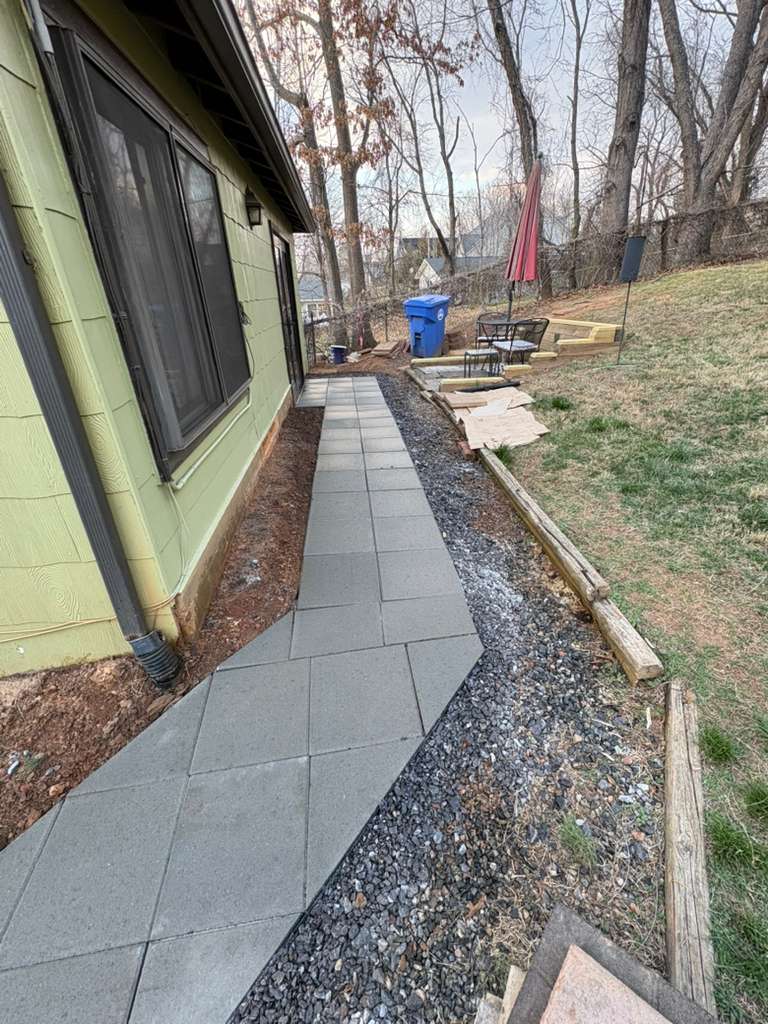
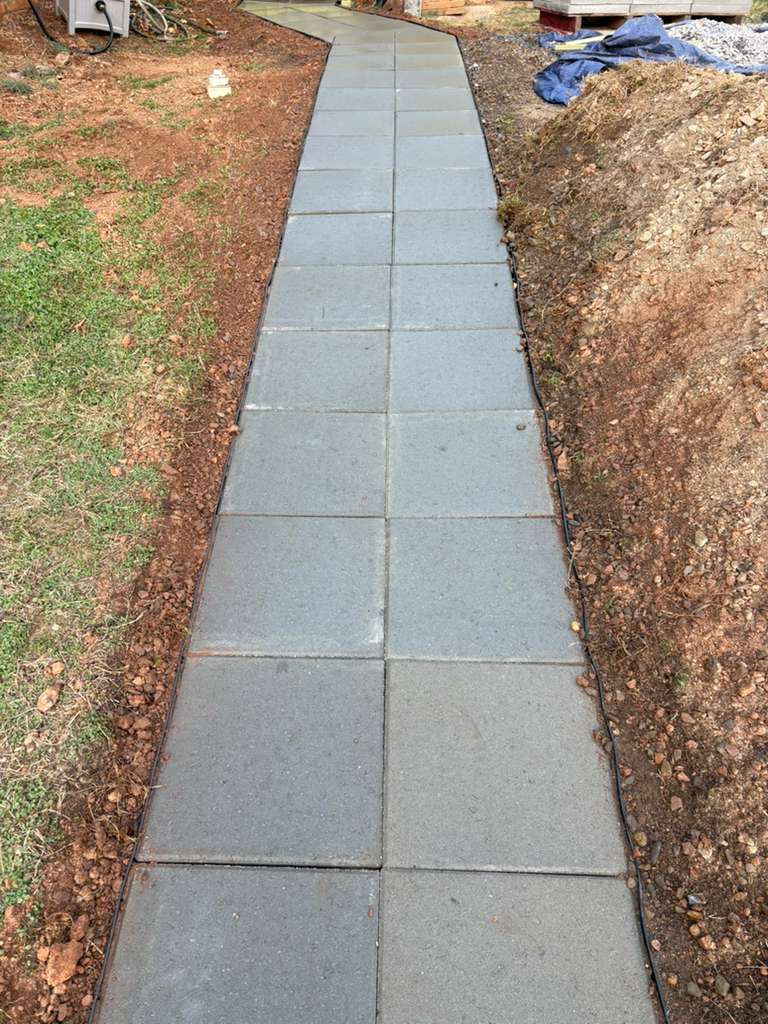
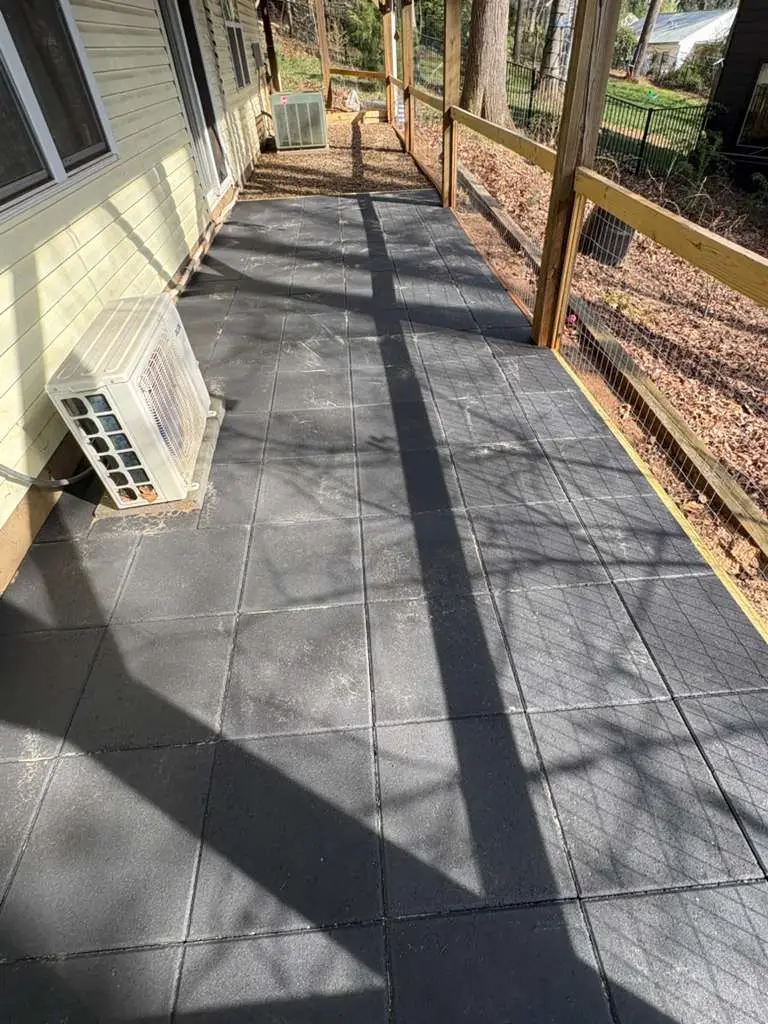
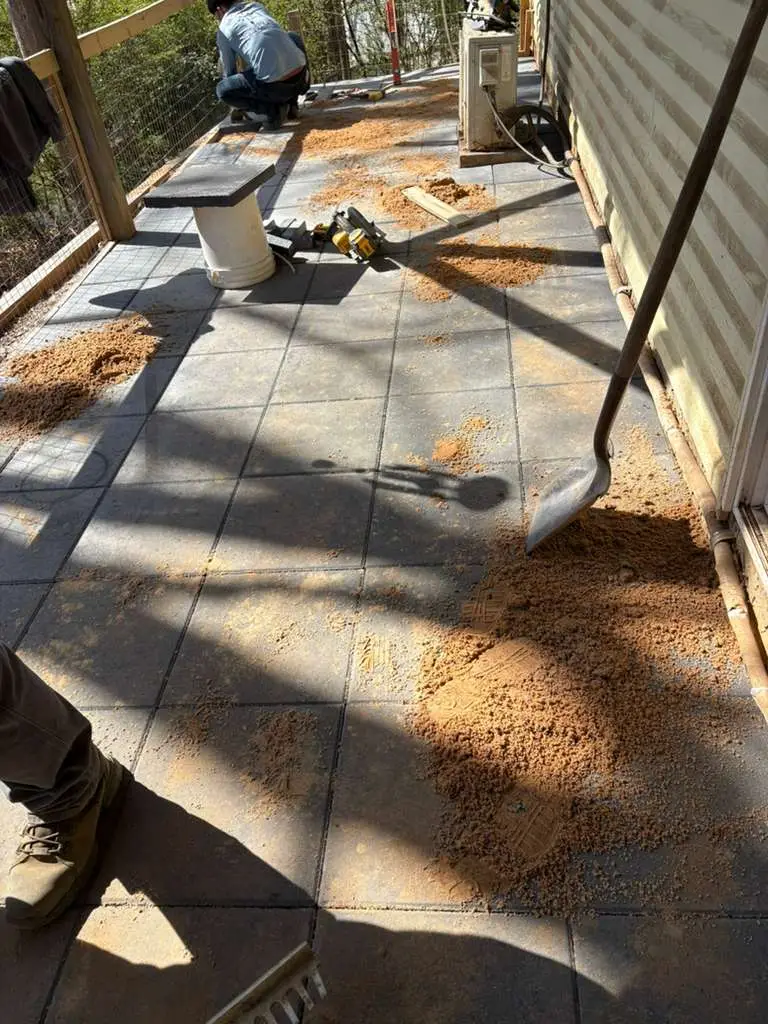
A paver walkway is the most common and most effective hardscaping solution for side yards — and for good reason. It delivers a clean, finished appearance while solving the mud and erosion problems that bare side yards create.
- Clean, consistent surface from front to back. A paver walkway creates a defined path that connects the front yard to the backyard cleanly, giving the property a cohesive, finished look from every angle.
- Handles Western NC’s climate extremely well. Pavers flex with freeze-thaw ground movement rather than cracking, drain efficiently when properly installed, and maintain their structural integrity through years of heavy rainfall without deteriorating.
- Works in narrow spaces. Paver walkways can be designed and cut to fit virtually any width, making them ideal for tight side yard corridors that other hardscaping solutions can’t accommodate as cleanly.
- Low maintenance after installation. Once a paver walkway is in place, it requires nothing more than occasional sweeping, rinsing, and periodic joint sand replenishment — a fraction of the effort required to maintain struggling turf in the same space.
- Multiple styles and finishes available. From simple grid layouts to herringbone patterns and mixed-size designs, pavers offer significant design flexibility even in constrained side yard spaces.
Gravel and Decorative Stone: Versatile and Effective
Gravel and decorative stone are excellent complements to paver installations — and in some side yard applications, they’re the right primary solution on their own.
- Gravel borders define and frame hardscape elements beautifully. A band of dark decorative gravel alongside a paver walkway creates a clean visual separation between the path and surrounding soil or lawn areas, giving the finished installation a polished, intentional look.
- Gravel handles drainage exceptionally well. Crushed stone and gravel allow water to percolate freely into the ground beneath, making them an ideal surface material for side yards where drainage is a concern.
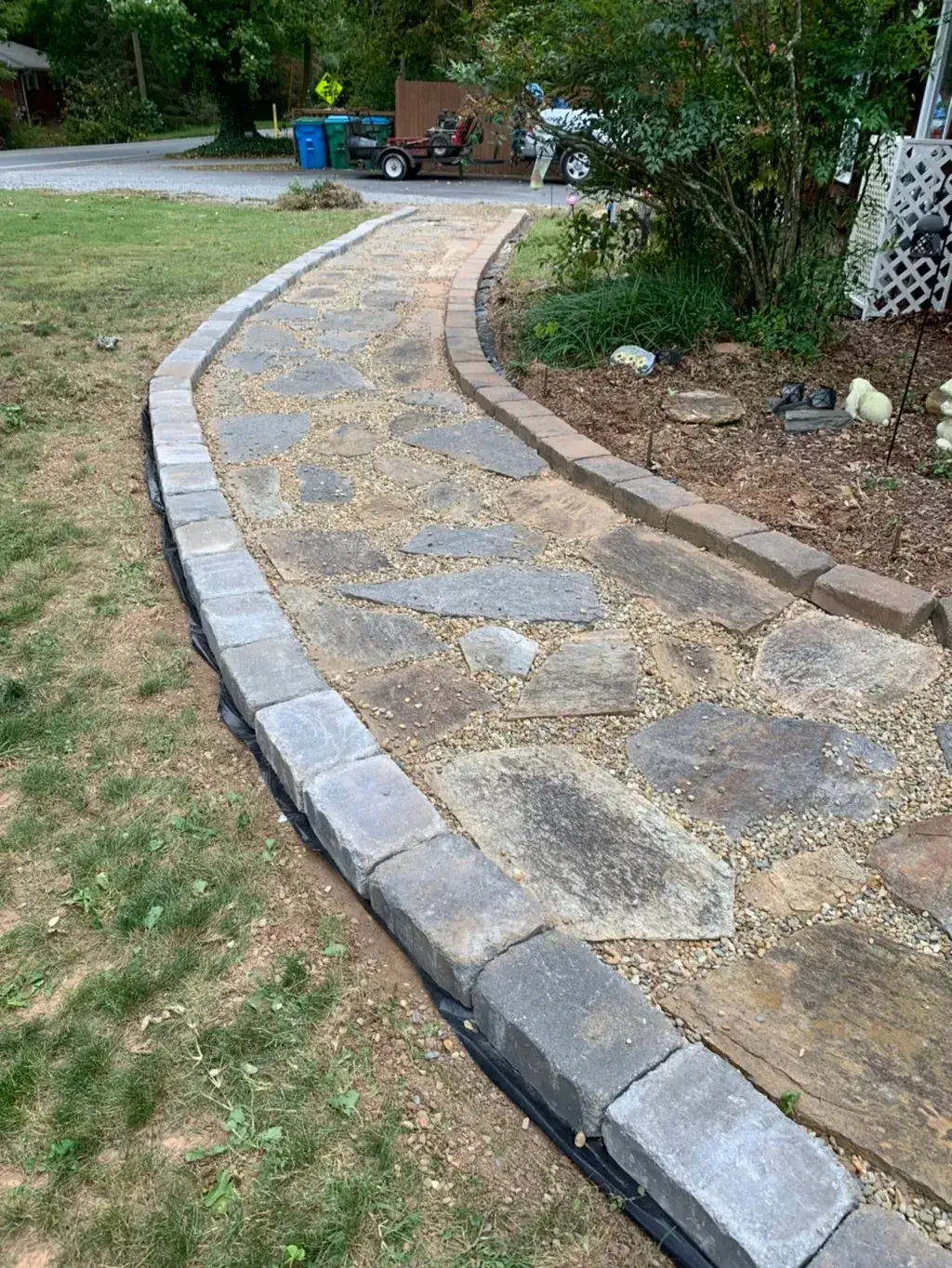
- River rock and decorative stone add texture and contrast. Combining smooth river rock or angular crushed stone with paver surfaces creates visual interest in what would otherwise be a purely utilitarian space.
- Gravel is a cost-effective solution for larger areas. For wider side yards or spaces where a full paver installation would exceed the budget, a well-prepared gravel surface with defined borders delivers strong results at a lower initial investment.
- Requires minimal maintenance. A properly installed gravel surface with a quality landscape fabric base stays weed-free and retains its appearance with very little ongoing attention beyond occasional raking and periodic top-dressing.
Timber and Stone Borders: Structure and Definition
The edges and borders of a side yard hardscape are just as important as the surface itself — and the right border materials add structure, definition, and visual interest to the overall design.
- Pressure-treated timber borders contain gravel and mulch effectively. Timber edging creates a clean, defined boundary between hardscape and soil areas, preventing gravel migration and mulch spread while adding a natural, warm element to the overall design.
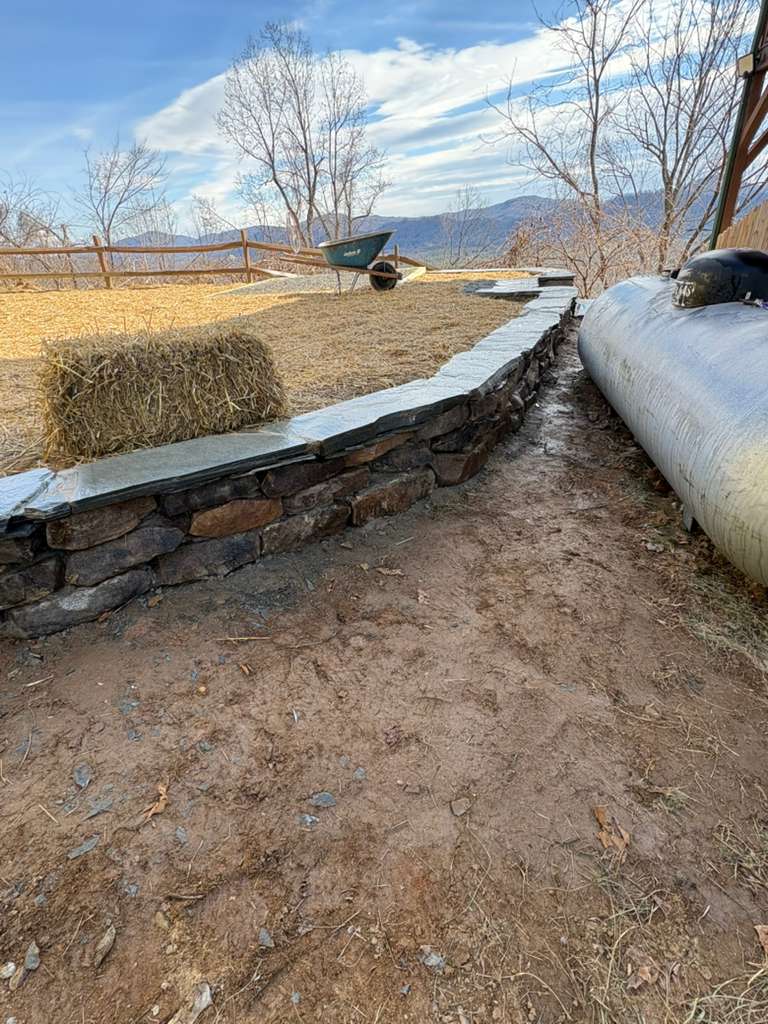
- Natural stone borders complement paver installations seamlessly. Stone edging along a paver walkway reinforces the hardscape aesthetic and creates a natural-looking transition between the path and surrounding landscape elements.
- Raised timber borders serve a dual purpose. On sloped side yards, timber borders can function as low retaining elements that hold back soil and gravel on the uphill side of the walkway while keeping the path surface clean and stable.
- Borders define the space even before planting occurs. A well-bordered side yard looks finished and intentional from the day of installation, even before any surrounding landscape plantings have had time to establish and fill in.
Combining Elements for a Complete Side Yard Transformation
The most successful side yard hardscaping projects combine multiple elements — pavers, gravel, stone, and borders — into a cohesive design that addresses both function and aesthetics in a single installation.
- Paver walkway as the primary surface provides a clean, stable path from front to back that handles foot traffic, equipment passage, and everyday use in all weather conditions.
- Decorative gravel border on one or both sides of the walkway fills the remaining space between the path and the home’s foundation or fence line, preventing bare soil exposure while improving drainage along the entire corridor.
- Timber or stone edging along the outer edge of the gravel zone contains the material, defines the boundary of the installation, and creates a clean visual line along the property’s edge.
- Strategic planting pockets within the gravel zone — a low shrub, a groundcover, or a few ornamental grasses — soften the hardscape and add life to what might otherwise feel like a purely utilitarian space.
Planning Your Side Yard Hardscape: What to Consider
A few key factors should guide the planning process before any material is chosen or installation begins.
- Measure the space accurately. Side yards vary significantly in width — some are just wide enough for a single-file walkway, while others offer more design flexibility. Knowing your exact dimensions upfront determines which solutions are realistic.
- Assess drainage patterns. Watch how water moves through the side yard during and after rain. If water channels heavily through the space, drainage improvement needs to be incorporated into the hardscape design from the start.
- Consider how the space will be used. A side yard used primarily for access and passage has different requirements than one that needs to accommodate equipment storage, utility access, or HVAC and utility service clearance.
- Think about visibility from the street and driveway. Even if the side yard itself isn’t a social space, it’s often visible from the front of the property. Choosing materials and finishes that complement the home’s exterior and front landscape creates a more cohesive overall impression.
Final Thoughts
A neglected side yard is one of the most common missed opportunities on residential properties in Asheville and throughout Western NC. With the right combination of pavers, gravel, and defined borders, that same space becomes a clean, functional, and attractive part of the property that requires almost no ongoing maintenance and contributes meaningfully to curb appeal and property value. The investment is modest compared to larger hardscaping projects, and the improvement to the overall appearance and functionality of the property is immediate and lasting.
Transform Your Side Yard With Bernardo’s Landscaping LLC
At Bernardo’s Landscaping LLC, we design and install custom side yard hardscaping solutions for homeowners across Asheville, NC and the surrounding 30-mile area. From paver walkway installation to gravel borders, timber edging, and complete side yard transformations, our licensed and insured team brings over 16 years of local expertise to every project.
Contact us today to schedule your free consultation and find out what’s possible in your side yard.
Recent Post

Professional Landscaping Solutions
From design and installation to long-term maintenance, our team delivers reliable service with precision and care.